In today’s healthcare world, more people need oxygen concentrators. These machines are important for patients who need extra oxygen. The worldwide market for oxygen concentrators was about USD 3.234 billion in 2025. It is expected to grow to USD 4.122 billion by 2030. This growth shows a yearly increase of 4.97% during this time. As you learn about oxygen concentrators, it is important to know about custom motors and pumps. These parts help make sure the machines work well and provide life-saving oxygen.
Key Takeaways
Torque is very important for oxygen concentrators. It helps keep a steady oxygen flow and makes the motor work well.
Keeping noise levels under 60 dB is important for patient comfort. Quieter machines help people recover better and feel less stressed.
Regular maintenance and good parts can make oxygen concentrator motors last longer. With proper care, they can last 5 to 10 years.
OEM engineers make motors to fit specific medical needs. Their work improves performance, reliability, and energy use.
New designs and materials can lower noise and make motors work better. Pay attention to these features when choosing oxygen concentrators.
Torque Needs
Understanding Torque
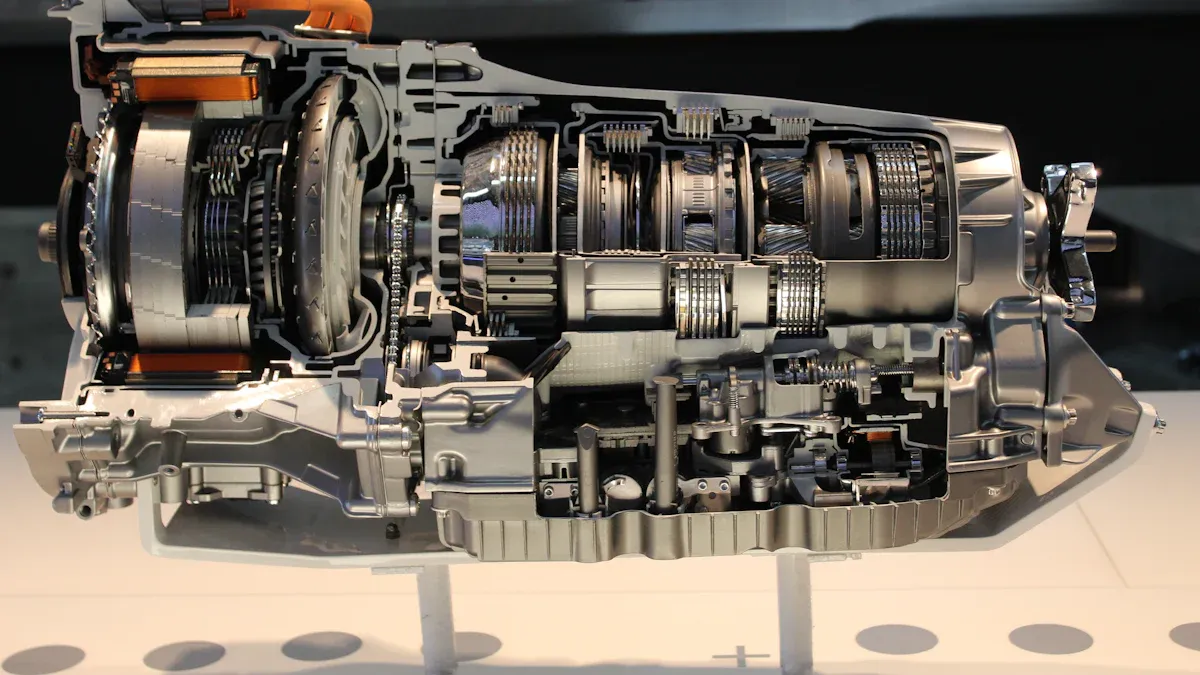
Torque measures how much force a motor can turn. It shows how well a motor can move something. Think of torque as the power behind the motor’s work. For electric motors, torque is very important. It affects how well they work in different uses, like oxygen concentrators.
Torque motors move quietly and without shaking in medical tools.
They are great for imaging and testing because they move precisely at slow speeds, keeping things steady.
A torque motor is made for controlling torque in precise systems.
These motors can turn in tiny steps and small angles.
They hold their position against changing loads, which is key for medical devices.
Importance of Torque in Motors
Torque is very important for how motors work in oxygen concentrators. The link between torque and force is key for steady oxygen flow. Here are some important points:
Torque is key for how well the motor works since it affects the compressor.
Being able to create enough torque helps the oxygen concentrator keep the right flow rate.
You can find torque by looking at the applied force, showing its importance in how motors work.
When picking custom motors for oxygen concentrators, you need to think about the torque needs. These needs make sure the motor can handle constant use while working reliably.
Energy efficiency matters for users who need oxygen concentrators for long times, as it keeps electricity bills low.
Picking a more energy-efficient model can lower costs without losing the needed oxygen amount.
Energy-efficient models are usually quieter and have better internal parts, which help them last longer and work better.
Noise Levels

Significance of Noise in Medical Devices
Noise levels in medical devices, like oxygen concentrators, are very important for patient comfort and health. Loud noises can make patients uncomfortable. This discomfort can slow down their recovery. Studies show that medical devices should be quieter than 50 dB. Here’s a table that shows acceptable noise levels in medical settings:
Noise Level (dB) | Description |
|---|---|
20–35 | Suggested acceptable noise levels in neonatal care |
57 | Measured sound levels often exceeded in NICUs |
85 | Government regulation threshold for mandatory ear protection |
82–144 | Peak sound levels recorded during medical visits |
117 | Continuous sound levels during rush hours in incubators |
As you can see, keeping noise levels low is very important for healing. For oxygen concentrators, noise above 60 dB can really affect patient comfort. The next table shows how noise levels relate to flow rates in oxygen concentrators:
Flow Rate (L/min) | Noise Level (dB) | Impact on Patient Comfort |
|---|---|---|
0 | 0 | No discomfort |
15 | < 50 | Mild discomfort |
40 | ~60 | Increased discomfort |
60 | 65.9 ± 4.7 | Significant discomfort |
Loud noise from oxygen concentrators can cause discomfort and health issues. It is best to avoid high flow rates in clinical settings to reduce noise.
Strategies for Noise Reduction
To make sure oxygen concentrators are quiet, engineers use several smart strategies. Here are some key ways to reduce noise:
Prototyping: Testing and improving motor designs before making them helps enhance parts without making them too complex.
Energy-absorbing materials: Using these materials and vibration-absorbing pads can greatly lower noise and vibrations.
Balancing rotating parts: Properly balancing these parts reduces shaking and noise, improving efficiency and lifespan.
Rubber or silicone dampers: Using these dampers effectively absorbs vibrations and cuts down noise.
Isolation techniques: Using rubber or spring mounts helps stop vibrations from affecting other parts.
Also, coatings can absorb vibration energy and lessen unwanted movement. These coatings work well in the 0-300Hz range. They can be applied directly to the motor’s surface, creating a lightweight layer that does not slow down motor performance.
Using these strategies not only makes oxygen concentrators work better but also helps patients feel more comfortable. By focusing on low noise designs, manufacturers can create devices that help improve health for patients who need these important machines.
Lifetime Expectations
Factors Influencing Motor Lifespan
When thinking about how long motors last in oxygen concentrators, many things matter. Knowing these things helps you take care of the machines better. Here are the main things that affect how long motors last:
Factor | Description |
|---|---|
Environmental Conditions | Working in places with ozone, high humidity, or extreme temperatures can make motors wear out faster. |
Regular Maintenance | Cleaning often and changing parts on time stops small problems from becoming big ones. |
Quality of Consumables | Good quality parts help motors work better and last longer; changing them on time is important. |
Usage Patterns | Using the motor too much can shorten its life; using it correctly can help avoid damage. |
You need to pay attention to the environment. For example, changes in temperature can make materials expand and shrink. This can cause cracks and failures. Humidity can lead to rust and electrical problems, which hurt how the device works. When temperature and humidity are both high, it speeds up damage, affecting how long medical devices last.
Testing for Longevity
To make sure motors in oxygen concentrators last as expected, manufacturers do different tests. These tests check how well the motors work in various situations. Here are some common tests:
Temperature cycling tests check performance in different temperatures.
Humidity exposure tests look at damage from moisture.
Accelerated aging tests mimic long-term use in tough conditions.
These tests help you see how the motor will work over time. For example, a 5-liter oxygen concentrator can run for about 20,000 to 30,000 hours. This means it can last around 5 to 7 years with good care. Portable oxygen concentrators usually last between 5 to 10 years, but this can change based on the brand and model.
The expected life of an oxygen concentrator motor is usually between 5 to 10 years. Continuous-flow models often last less time than pulse-dose models. If you use the device every day, you might need to replace it sooner than someone who uses it less often.
By knowing these factors and testing methods, you can make sure the motors in your oxygen concentrators work well for their expected lifetime.
Role of OEM Engineers
Defining Motor Specifications
OEM engineers are very important for setting the rules for motors in oxygen concentrators. They look at torque, noise, and lifetime needs to make sure the motors work well. Here are some main steps they take:
Torque Analysis: Engineers figure out the right torque to keep oxygen flowing steadily. This helps the motor manage constant use.
Noise Control: They use methods to keep noise levels low and help the motor last longer. This includes separating parts and using special materials to reduce vibrations.
Lifetime Assessment: Engineers check environmental things that might affect how long the motor lasts. They think about humidity, temperature, and how the motor is used to guess its lifespan.
Custom Solutions for Oxygen Concentrators
Customization is very important when designing motors for oxygen concentrators. OEM engineers know that each medical use has different needs. They create special solutions to improve performance and reliability. Here are some examples of custom solutions:
Custom electric motors by HONEST focus on being quiet and reliable, which helps patients feel more comfortable.
Engineers create special valves, like a 5-port poppet style valve for Fill/Exhaust functions, to ensure high flow and long life.
Innovations include smart oxygen concentrators that use advanced sensors to check breathing and change oxygen levels automatically.
By focusing on customization, OEM engineers make sure that motors fit the specific needs of portable health devices. They also improve energy efficiency, which is very important for medical uses. As technology gets better, engineers like brushless motors for their efficiency and reliability. This trend helps improve performance in small home health devices.
In conclusion, custom motors are very important for how oxygen concentrators work. When choosing these motors, you need to think about torque, noise levels, and how long they last. Future improvements in motor technology can lead to:
Better and more dependable oxygen concentrators.
New ideas like smaller sizes and better filters.
Connections with electric and hybrid cars for better performance.
Also, global rules like IEC 60601-1:2020 guide how motors are designed and tested. Following these rules keeps things safe and effective in places with extra oxygen. By focusing on these points, you can make oxygen concentrators more reliable and comfortable for patients.
FAQ
What types of motors are used in oxygen concentrators?
Oxygen concentrators usually use brushless DC motors, AC induction motors, and permanent magnet synchronous motors. These motors work well, make little noise, and last a long time, which is very important for medical use.
How do I maintain the motor in my oxygen concentrator?
To keep the motor in good shape, clean it regularly and check for worn parts. Make sure there is enough airflow and keep the device away from extreme heat or humidity to help the motor last longer.
What is the expected lifespan of an oxygen concentrator motor?
An oxygen concentrator motor is expected to last between 5 to 10 years. Continuous-flow models might not last as long as pulse-dose models. This depends on how often they are used and how well they are taken care of.
How can noise levels affect patient comfort?
Loud noises can bother patients, causing discomfort and stress. It is important to keep noise levels below 60 dB to ensure a calm environment, especially when patients are sleeping or recovering.
What factors influence the torque requirements for these motors?
Torque needs depend on how much oxygen flow is required and how the concentrator is designed. Higher flow rates need more torque to keep the oxygen delivery steady without changes.