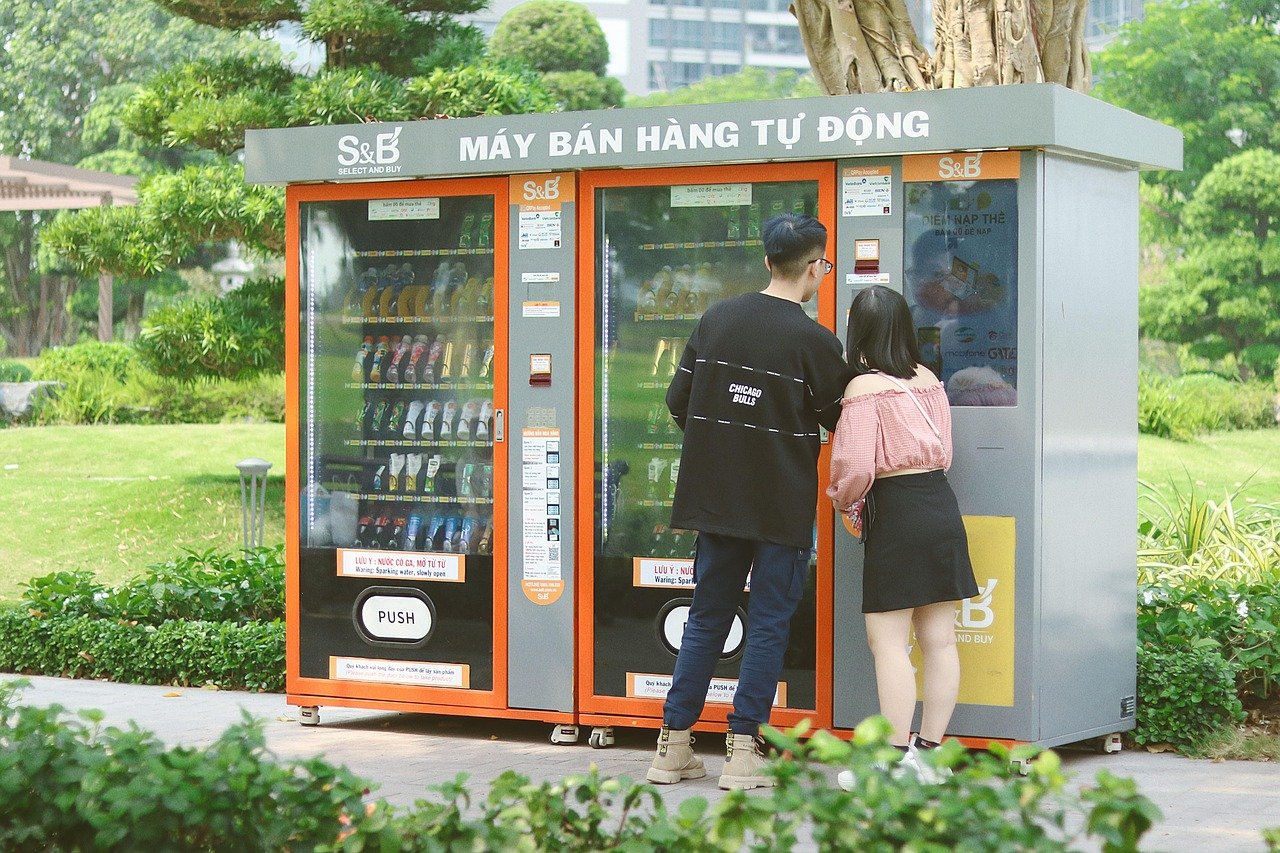
In vending and commercial dispensing systems, unplanned downtime is a primary driver of high Total Cost of Ownership (TCO). Operators face maintenance and lost revenue costs typically ranging from $50 to $150 per day for each machine that is out of service. For instance, a vending machine generating $25 daily, if out of service for just one day each month, demonstrates the high opportunity cost associated with low Mean Time Between Failures (MTBF), underscoring the necessity for stringent dosing repeatability. Selecting the optimal drive unit is a critical engineering design decision to achieve required system efficiency, maximize reliability, and minimize long-term operational expenditures.
Key Takeaways
Choose geared motors for high-cycle vending applications. They provide the torque density needed for heavy loads and ensure efficient operation and mechanical durability over high duty cycles.
Opt for Brushless DC (BLDC) motors for precision fluid dosing. They offer high efficiency and low noise, and their electronic control delivers superior dosing repeatability.
Consider environmental factors when selecting motors. Extreme temperatures can affect performance and insulation life, so plan for appropriate lubricants, materials, and IP (Ingress Protection) ratings.
Regular testing and calibration of motors are essential. This practice, including Insulation Resistance (IR) checks and Winding Resistance tests, ensures accuracy and compliance, preventing costly operational losses.
Utilize remote monitoring technology for predictive maintenance. This approach helps track Mean Time Between Failures (MTBF) and enables Condition-Based Monitoring (CBM), reducing downtime and maximizing revenue.
Application Demands and Motor Function
High-Cycle Vending Load Requirement
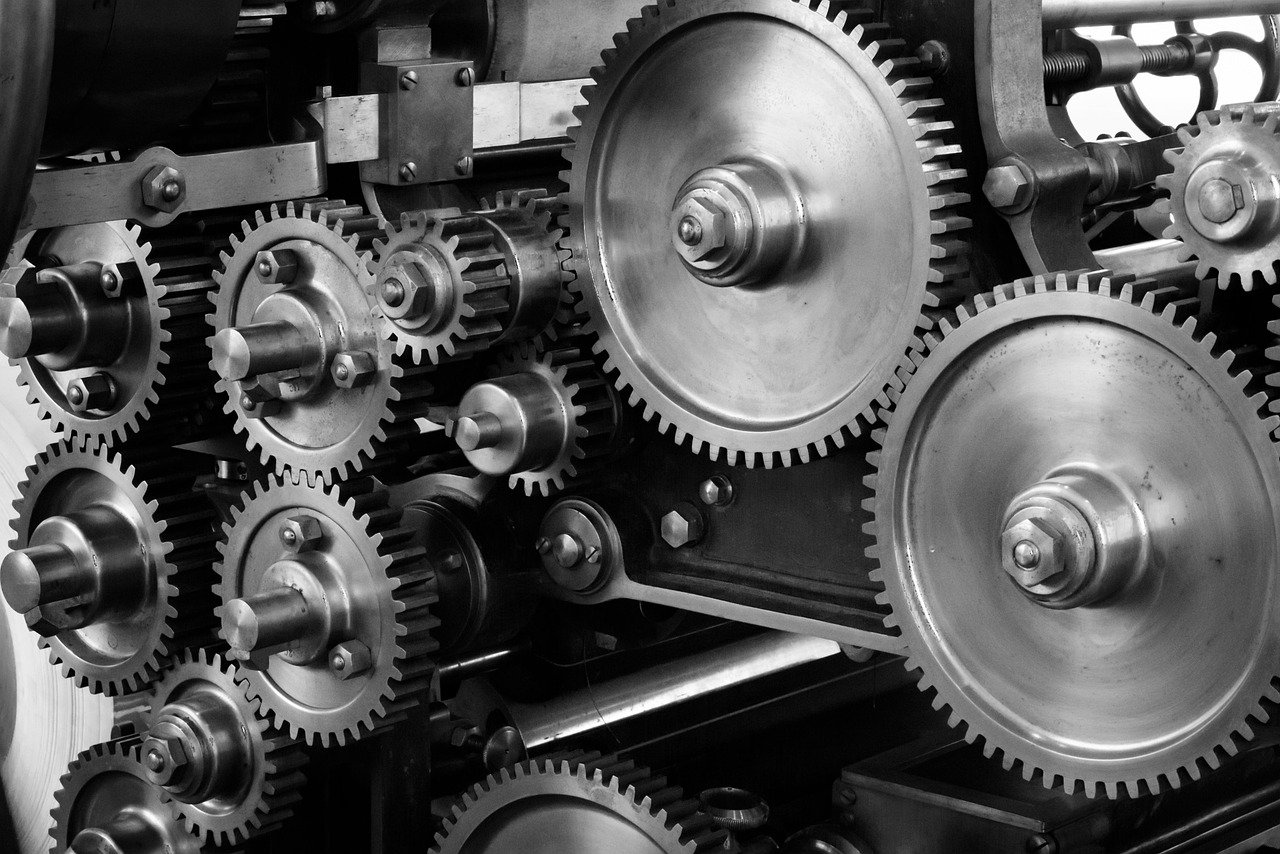
In vending machine applications, you often face high-cycle demands. These machines operate continuously, requiring motors that can handle frequent starts and stops. Geared motors are ideal for this scenario, providing the necessary high torque density for heavy loads.
Torque Requirements & Density: The torque needed to drive the load is crucial. Geared motors excel in delivering high torque density at low speeds via the gearbox, essential for moving heavy loads and overcoming static friction during startup.
Speed Control & Feedback: Encoder feedback is required for precise speed and positional control. Geared motors allow for smooth acceleration and deceleration, ensuring that products dispense correctly without jamming.
Power Efficiency & Duty Cycle: Evaluating the motor’s Thermal Rating and required Duty Cycle is critical. Geared motors optimize energy consumption during high-cycle, continuous operation.
Precision Fluid Dosing Goal
When it comes to precision fluid dosing, Brushless DC (BLDC) motors stand out. These motors offer several advantages that enhance the accuracy of fluid dispensing.
High Efficiency & Heat Management: BLDC motors are known for their high energy efficiency. They achieve superior efficiencies across variable loads, which is vital for minimizing heat generation and ensuring stable performance of precision flow components.
Low Noise Operation: BLDC motors operate quietly due to electronic commutation, making this feature particularly beneficial in commercial settings where environmental noise standards are a concern.
Advanced Control & Repeatability: With the integration of IoT and AI technologies, precise control over fluid dosing is achieved via the Motor Driver. BLDC motors with high-resolution encoders ensure superior dosing repeatability and real-time flow adjustments.
Environmental Suitability and Cost Planning
Selecting the right motor also involves considering environmental factors. You must plan for how extreme temperatures and humidity can affect motor insulation life and performance.
High Temperatures: Elevated temperatures increase current draw (Higher I^2R Losses), accelerating wear on bearing systems and degrading the insulation class, leading to premature failure and unplanned downtime.
Cold Environments: In cold conditions, increased lubrication viscosity can prevent motor startup by exceeding the motor’s starting torque. Special low-temperature synthetic lubricants must be specified to ensure reliable operation.
Variable Frequency Drives (VFDs): Installing VFDs on motors optimizes energy use while providing precise speed ramping and torque control. This approach conserves energy and helps manage humidity levels effectively.
By understanding these application demands and engineering specifications, you can make informed decisions when selecting motors for your vending and commercial dispensing machines. This knowledge will help you optimize reliability and dosing precision, ultimately enhancing your operational success.
Critical Metrics: Precision & Longevity
Dosing Repeatability Performance
In the world of vending and commercial dispensing machines, dosing repeatability is crucial. The key engineering metric is the Coefficient of Variation (CV), which should be minimized to ensure consistent product quantity and quality. Motor technologies significantly impact this performance. For instance, electromagnetic diaphragm pumps excel in providing high repeatability due to their consistent stroke length. In contrast, gear pumps may experience internal slip, which can reduce flow accuracy under varying conditions.
Here’s a comparison of motor technologies regarding dosing repeatability performance:
Motor Technology | Dosing Mechanism | Key Accuracy Metric |
BLDC (High-Res Encoder) / Stepper Systems | Precise positional control | Very Low CV (< 0.5%), Excellent for fixed volume |
Electromagnetic Diaphragm Pumps | Consistent stroke length | High repeatability, dependent on flow rate |
Gear Pumps | Continuous flow | Repeatability affected by internal slip; requires careful control |
To achieve optimal dosing repeatability, you should consider the specific requirements of your application. Factors such as fluid properties and differential pressure play a significant role. As differential pressure increases, internal slip rises, leading to reduced flow accuracy. The use of BLDC systems (with high-resolution encoders), or alternative closed-loop Stepper Motor systems, can mitigate this effect by providing precise feedback and adjustment.
Component Longevity: Design for Zero-Maintenance
When selecting motors, prioritizing component longevity is essential for achieving the required low TCO. A well-designed motor minimizes maintenance needs and extends service life. Here are the key durability specifications to require from suppliers:
Durability Specification | Description (Technical Requirement) |
MTBF (Mean Time Between Failures) | The predicted reliability metric derived from accelerated life testing; critical for maintenance planning. |
Insulation Class | The maximum permissible operating temperature (e.g., Class F or H) for the winding insulation system. |
IP Rating | Ingress Protection rating (e.g., IP54/IP67) against dust, moisture, and chemical exposure, crucial for environmental durability. |
Consider specifying structural components made from high-tensile steel or heavy-duty cast metals. These materials are chosen to meet required load ratings and enhance resistance to fatigue failure over time, ensuring reliability in demanding environments.
Durability Testing Against Stress Factors
To ensure motors withstand the rigors of commercial use, manufacturers conduct various durability tests that evaluate resistance to heat and vibration.
Insulation Resistance (IR) Testing: Evaluates the motor’s insulation resistance to ground to ensure the winding system withstands thermal and voltage stress without premature breakdown.
Winding Resistance Testing: Identifies issues like dead shorts, opens, and ensures proper phase balance in the motor windings.
Dynamic/Static Testing Methods: Assesses vibration severity, bearing performance, and rotor balance under operational conditions. This data is crucial for confirming the motor’s long-term MTBF under heat and vibration loads.
By focusing on these critical engineering metrics and durability specifications, you can select motors that not only deliver precision in dosing but also offer the longevity and reliability necessary to meet LCC goals.
Integration & Maintenance Practices
Testing, Calibration, and Control Integration
To ensure the optimal performance of your dispensing systems, Testing and Calibration must be prioritized. Calibration is essential for ensuring commercial dispensing machines meet flow rate specifications and operate with precision. This alignment prevents inaccuracies that could lead to financial losses and regulatory non-compliance.
Calibration Objectives & Compliance:
Accurate calibration prevents financial losses due to over-dispensing or under-dispensing, directly impacting profit margins.
Routine calibration maintains compliance with regulations, preventing potential fines and ensuring product quality standards are met.
Regular checks ensure pump and motor performance remain stable across varying process variables (e.g., fluid viscosity, environmental temperature).
When integrating motors into your systems, interoperability is key. Focus on resolving data protocol (e.g., CAN bus, RS-485) and performance bottlenecks early in the installation process to ensure reliable communication between the motor driver and the central control unit. Effective functional testing of the integrated system is critical before deployment.
Remote Monitoring & Predictive Maintenance
Remote monitoring technology is crucial for efficient asset management. High-end machines utilize IoT Edge Computing for real-time motor control and diagnosis. This system generates Condition-Based Monitoring (CBM) alarms when performance anomalies—such as excessive current draw or unusual vibration signatures—exceed pre-set engineering thresholds.
Predictive Maintenance Value:
Enables Condition-Based Monitoring (CBM) to prevent costly, unplanned downtime.
Provides granular performance data for remote fault diagnosis and isolation, significantly reducing technician dispatch time.
Allows the planning of scheduled component replacement based on MTBF and usage data, minimizing reliance on high-cost emergency service calls.
This proactive approach ensures the consistent functionality of vending machines, maximizing long-term reliability and revenue potential.
Incorporating these integration and maintenance practices—from ensuring system interoperability to utilizing CBM data—will enhance the long-term reliability and efficiency of your vending and commercial dispensing machines, directly impacting your Total Cost of Ownership (TCO).
In summary, selecting the right drive units is essential for achieving optimal reliability and dosing precision in your automatic vending machines and custom-built retail vending solutions. Key factors include durability, build quality, and temperature control, which all contribute to the longevity and efficiency of your machines.
Remember, tailored motor selection not only enhances dosing accuracy but also improves operational efficiency. Consulting with specialized engineers can help you navigate the complexities of BLDC and geared motor applications. They can assist you in analyzing your specific needs and ensuring that you choose the best solutions for your vending operations.
FAQ
What types of motors are best for vending machines?
You should consider using Geared DC/BLDC motors for high-cycle, heavy-load applications. For precision fluid dosing, BLDC motors (with high-res encoders) or Stepper Motor systems are recommended to ensure high dosing repeatability.
How do I ensure my vending machine motor lasts longer?
To maximize motor lifespan and achieve low TCO (Total Cost of Ownership), specify motors that meet stringent MTBF requirements, implement Condition-Based Monitoring (CBM), and select products with the appropriate Insulation Class and IP Rating for the operating environment.
What is the role of automation in vending machines?
Automation, primarily driven by IoT integration, is crucial for streamlining operations. It enables telemetry, remote diagnostics, and facilitates predictive maintenance planning based on real-time motor performance data.
Can I customize my vending machine spiral motor?
Yes, customization is standard to meet specific application needs. Customization options include specifying required torque curves, speed profiles, Duty Cycle, and environmental resistance features like the IP rating to match precise application loads.
How do BLDC motors improve fluid dosing?
BLDC motors (with encoders) provide precise positional and velocity control necessary for metering systems. This capability ensures superior dosing repeatability (low CV), minimizes material waste, and helps maintain compliance with dispensing standards.