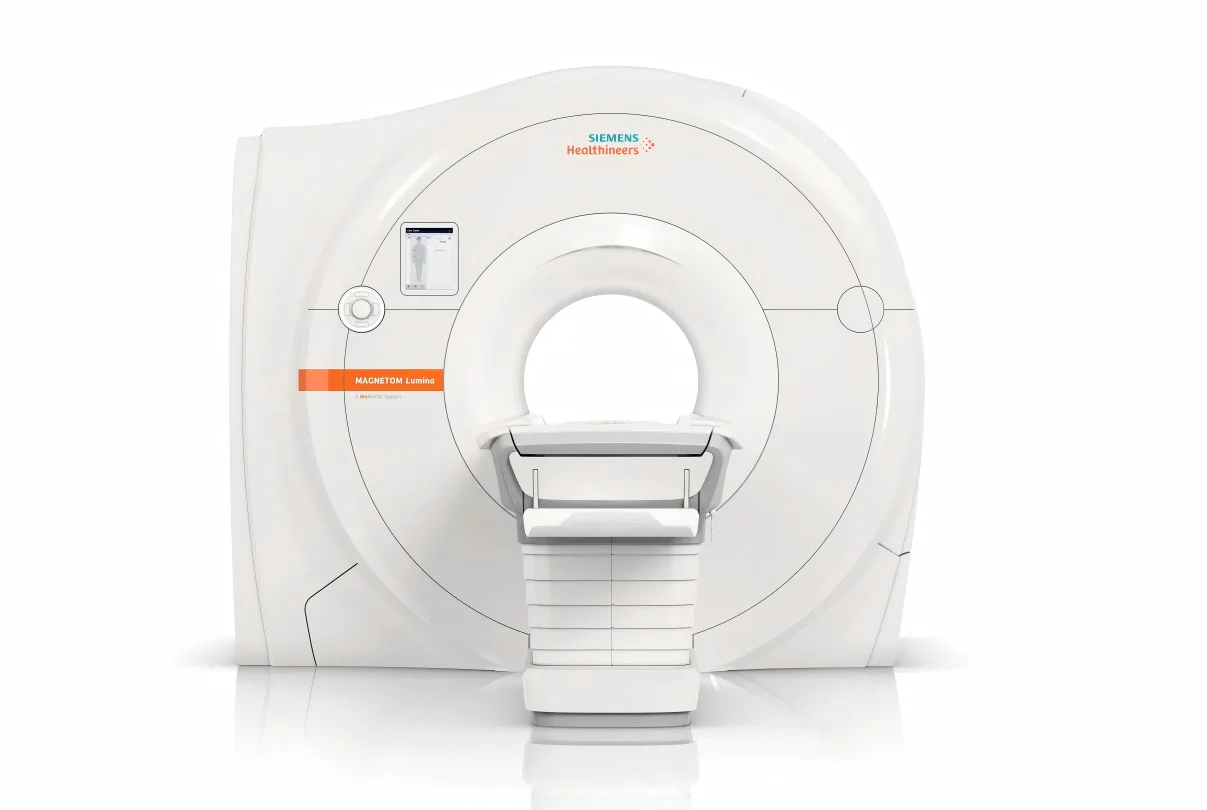
In the medical device industry, it can be hard to connect research and development (R&D) with buying supplies. You might face different problems, like cultural differences and language issues that make communication difficult. Shipping items from other countries can cause delays and raise costs. Following local rules takes a lot of time and effort. Collaborating with many suppliers in different time zones makes teamwork harder, especially for OEM Teams. Changes in currency values can also make it tough to predict costs. Understanding these challenges is important for clearly defining custom motor needs in your projects.
Key Takeaways
Know that clear communication is important for R&D and procurement teams. This helps avoid misunderstandings.
Set motor specifications early in product development. This helps meet clinical needs and follow rules.
Bring in suppliers early to use their knowledge. This can help create better motor designs and speed up projects.
Consider performance, cost, and compliance when choosing motors. This ensures medical devices are reliable and safe.
Use organized methods like CLUE templates. These help turn clinical needs into specific motor performance goals.
Product Development Process
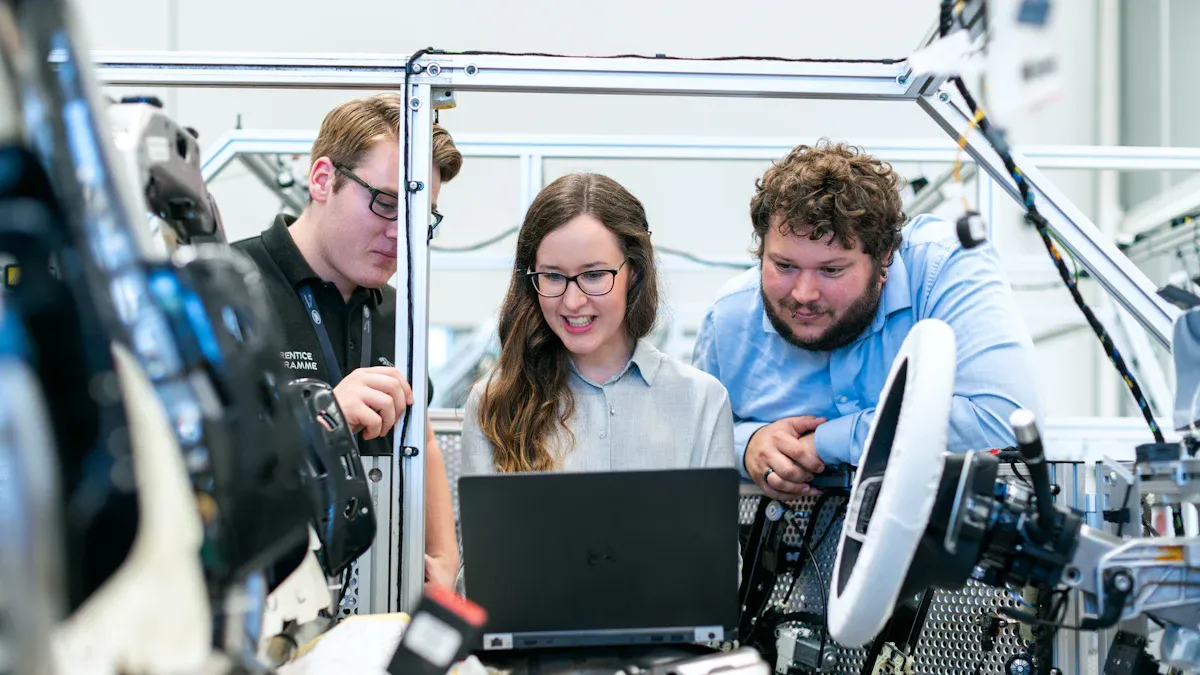
In the medical device industry, the product development process is very important. It helps make sure devices meet clinical needs and follow rules. This process usually happens in several main steps:
Concept Development
Feasibility & Technology Development
Design & Engineering
Verification, Validation & Clinical Evaluation
Regulatory Approval & Market Launch
Post-Market Surveillance
How motor requirements evolve across development stages
Concept phase vs. validation phase
During the concept phase, you look for clinical needs and set the first requirements for your medical device. At this time, motor requirements are often general and based on expected performance. You might think about size, weight, and power use, but specific motor details may not be clear yet.
As you move into the validation phase, the focus changes to making sure the device meets the set requirements. Here, you improve motor details based on tests and feedback. You may need to change things like torque, speed, and efficiency to make sure the motor works well in real situations. This back-and-forth process helps match the motor’s abilities with the device’s overall function.
Prototype vs. mass production requirements
When making a prototype, you often focus on flexibility and trying new ideas. You may pick motors that let you test quickly and change things easily. This phase is about trying different options to find the best match for your device’s needs.
On the other hand, mass production needs a different plan. You must choose motors that not only meet performance goals but also provide consistency and reliability in large amounts. This often means working closely with suppliers to set quality standards and production schedules. Moving from prototype to mass production can greatly affect your buying strategy, as you must balance cost, quality, and supply chain issues.
Impact of motor decisions on overall device architecture
Choosing motors is very important for shaping your medical device’s overall design. Here are some key areas where motor choices have a big effect:
Thermal design
Picking the right motor influences how your device manages heat. Modern motors with better technology can lower power use, which means less waste heat. This makes it easier to manage heat, keeping conditions safe for patients.
Noise control
Noise levels in medical devices can affect patient comfort and how well they work in clinics. Choosing motors that operate quietly can improve your device’s sound performance. This helps patients and makes communication easier in clinical settings.
Power management
Good power management is key for medical device performance. High-quality motors help overall reliability by reducing energy waste. This efficiency can lead to longer battery life in portable devices and lower costs, making your device more attractive to healthcare providers.
By knowing how motor requirements change through the development stages and how they affect device design, you can create a better plan for your medical device projects. Working together between R&D and procurement teams is important to handle these challenges and ensure your device meets both clinical and regulatory rules.
Defining Challenges
Translating clinical needs into motor performance targets
Turning clinical needs into clear motor performance goals can be tough. You need to talk early with different teams. This teamwork helps you learn about rules and match the development process with real clinical needs. Using CLUE templates can help you define how the motor will be used based on medical needs that are not met. This organized way of working sharpens your goals, which is important for setting the right motor performance targets.
Balancing performance, cost and compliance constraints
You often have to make choices between performance, cost, and rules when picking motors for medical devices. Here are some examples that show these challenges:
Scenario 1: Enclosure Materials for a Wearable Vital Monitor: Picking cheap materials like ABS can lead to more warranty claims because of environmental stress cracking. This shows the trade-off between low initial cost and long-term reliability.
Scenario 2: PCB Design for a Mixed-Signal Diagnostic Device: A tighter PCB layout cuts costs but can cause problems like crosstalk and thermal management issues. This highlights the need to balance cost and performance.
Scenario 3: Software Library Selection for Device Firmware: Choosing an open-source library may save time and money but could create compliance issues and safety risks. This shows why it’s important to think about rules when making cost decisions.
Common misunderstandings between R&D and procurement teams
Misunderstandings between R&D and procurement teams can slow down the development of custom motors. Here’s a comparison of common points:
Aspect | Custom Motors | Standard Motors |
|---|---|---|
Cost | Higher initial development costs due to NRE and tooling, but lower per unit costs in high volume. | Generally lower costs, but may include unnecessary features leading to higher expenses. |
Lead Time | Longer initial lead times due to engineering and tooling requirements. | Typically shorter lead times as they are readily available from multiple vendors. |
Agency Approvals | Requires new qualification and testing, increasing time and costs. | Established approvals for standard products, reducing time to market. |
By fixing these misunderstandings, you can boost teamwork and make sure both teams aim for the same goals. Good communication is key to avoid procurement risks, like missing supplier problems or not addressing quality control issues.
Engaging OEM Teams
Cross-functional collaboration between R&D and sourcing
To improve teamwork between R&D and sourcing teams, you should use some helpful strategies:
Establish Clear Communication Channels: Make sure teams can share information easily to help work together.
Promote Interdisciplinary Collaboration: Get different experts involved early to boost creativity and lower risks.
Cultivate a Culture of Trust and Respect: Encourage team members to share ideas freely, which helps creativity.
Set Clear Goals and Expectations: Clearly define goals so everyone knows what to do and misunderstandings are less likely.
Invest in Training and Development: Offer ongoing training to give teams the skills they need to work well together.
Information flow from OEM teams to motor suppliers
Good information flow from OEM teams to motor suppliers is key for project success. Here are some best practices to follow:
Implement Clear Contracts: Clearly outline the project scope and timelines to avoid confusion.
Set Performance Metrics: Measure quality and efficiency to make sure standards are met.
Conduct Regular Audits: Check compliance and quality through regular evaluations.
Maintain Transparency: Build trust and improve communication by sharing information openly.
Share Information Digitally: Regular updates help prevent mistakes and keep everyone in the loop.
Using supplier feedback to refine motor requirements
Getting feedback from OEM teams and stakeholders during the motor specification process is very important. You can use these methods:
Engage a Cross-Functional Team: Involve different stakeholders in the capital project process.
Conduct Interviews: Get insights from operators and technicians during the design phase.
Analyze CMMS Data: Look at failure modes and performance data to guide decisions.
Facilitate Workshops: Hold collaborative sessions for brainstorming and gathering input.
Utilize Surveys: Efficiently reach busy stakeholders to collect their requirements.
By involving OEM teams early in the procurement process, you can improve motor requirements and ensure you choose high-quality parts that meet clinical needs.
Compliance in Medical Device Procurement
In the medical device field, following rules is very important. It helps keep your products safe and effective. Custom motors are key in this area. They are especially needed in situations that require high precision and reliability. These motors must meet strict medical standards. This ensures that devices are efficient and safe for use in treatments and tests.
Key medical standards affecting custom motor design
Many important rules guide how medical devices are designed and made. Here are some of them:
Regulation/Standard | Description |
|---|---|
EU Medical Device Regulation (MDR) 2017/745 | Sets rules for custom-made medical devices to ensure safety and quality. |
Conformity Assessment for Class III Devices | Adds extra rules for high-risk custom-made implantable devices, including specific checks in Annex IX. |
Documentation and Compliance | Custom-made devices must follow documentation rules to keep patients safe and ensure effectiveness. |
When compliance requirements should be introduced in sourcing
It is important to include compliance rules early in the sourcing process. Here’s a summary of when to add these rules:
Evidence Description | Source |
|---|---|
Compliance rules should be included during supplier qualification stages. | Ultimate Guide to Supplier Management for Medical Device Companies |
Keeping track of supplier performance is key for meeting regulatory standards. | Ultimate Guide to Supplier Management for Medical Device Companies |
Suppliers must be approved before they can join the Approved Suppliers List (ASL). | Ultimate Guide to Supplier Management for Medical Device Companies |
Having procedures to ensure products meet requirements is very important. | Ultimate Guide to Supplier Management for Medical Device Companies |
Documentation and testing expectations from procurement teams
Procurement teams need to keep strict documentation and testing rules to ensure compliance. Here are key expectations:
Use an ISO-compliant Quality Management System (QMS) for consistency, reliability, and traceability.
Write a procedure for surprise audits, including instructions for auditors.
Test and validate products and services to ensure quality.
Conduct risk assessments to find and manage potential product risks.
Keep thorough documentation for traceability and accountability.
Set up quality agreements with suppliers that outline compliance expectations.
By following these standards and practices, you can improve your medical device procurement strategy. This will help ensure your products meet both regulatory rules and market needs.
Connecting R&D and procurement is very important for setting custom motor needs in medical device projects. Here are some important points to think about:
Create a strong business case that matches your organization’s goals.
Set clear specifications early in the development stage.
Encourage good communication between R&D and procurement teams.
Working together early boosts creativity and helps follow FDA rules and ISO 13485. This method leads to better designs and easier moves to manufacturing. Successful manufacturers include regulatory compliance in their main processes. They adjust to future changes while keeping quality high.
By focusing on these strategies, you can greatly improve the results of your medical device projects.
FAQ
What are custom motors in medical devices?
Custom motors are specially made motors designed to fit the needs of medical devices. They help ensure the device works well, is reliable, and follows industry rules.
How do I determine motor specifications for my project?
You should look at clinical needs, device requirements, and rules. Work with R&D and procurement teams to set performance goals and limits.
What role does compliance play in motor selection?
Compliance makes sure that motors meet safety and performance rules for medical devices. It helps you avoid problems with regulations and makes products more reliable.
How can I improve communication between teams?
Set up clear ways to communicate, hold regular meetings, and encourage teamwork. Use shared documents to keep everyone updated and focused on project goals.
Why is early involvement of suppliers important?
Getting suppliers involved early lets you use their knowledge in motor design and making. This teamwork can lead to better solutions and quicker project timelines.