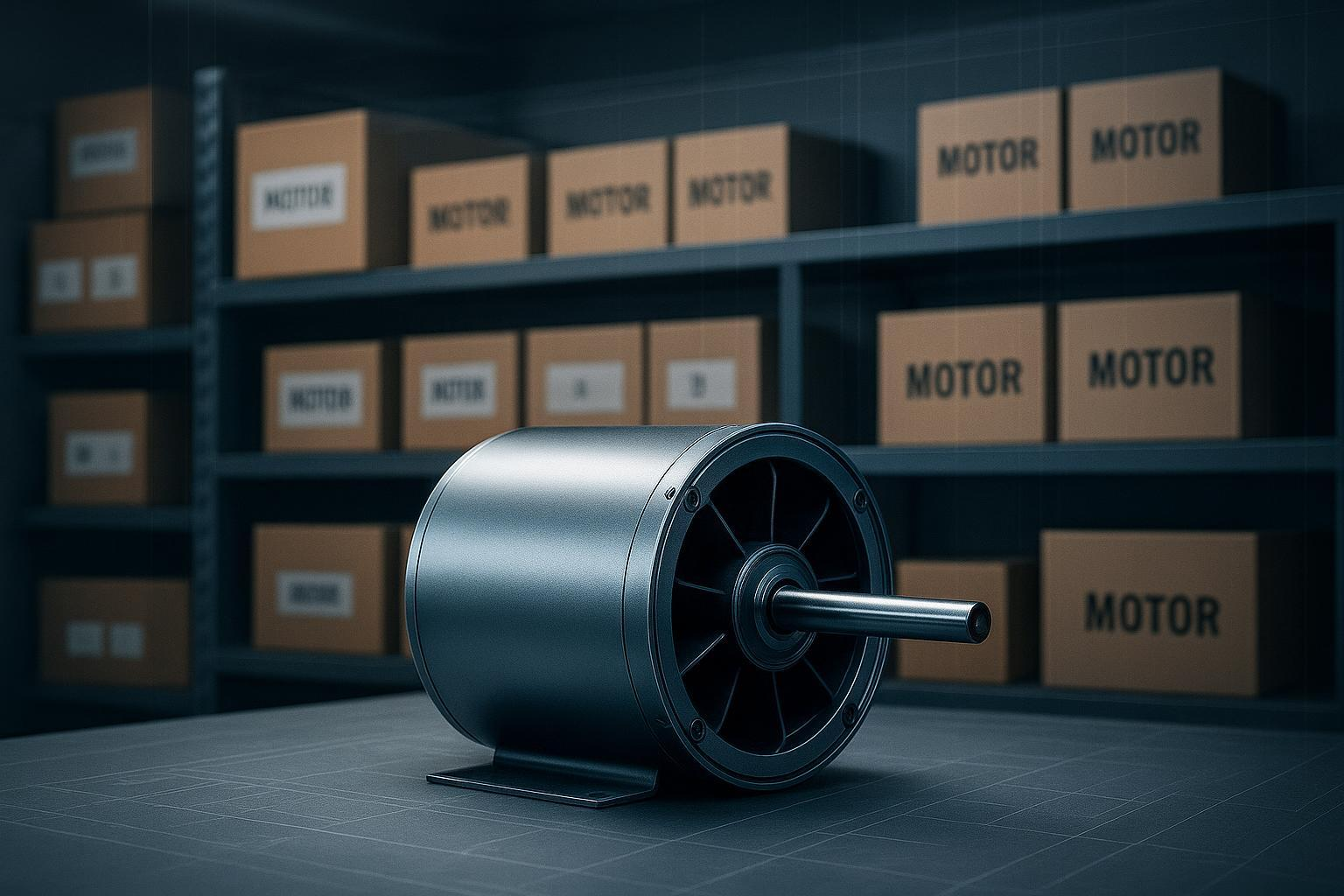
The need for heavy-load food processor motors has grown a lot recently. New technology has made these motors work better and last longer. Many people want to process meat at home. They want fresh products without preservatives. As more people care about health, they look for meat grinders and mincers for making their own food. This trend is not only for homes; the foodservice industry also needs these strong motors. You can expect this market to grow a lot as people keep wanting safe and high-quality food.
Key Takeaways
Stall torque is very important for food processors. It helps motors start well with heavy loads. This makes sure they work smoothly.
Overload protection systems, like thermal and electronic ones, stop motor damage. They turn off power when it gets too hot or uses too much current.
Heavy-duty motors have higher stall torque values. This lets them handle tough ingredients without stalling or overheating.
Advanced cooling systems improve motor performance. They control heat, which helps food processing equipment last longer and work better.
Customizing motors for specific jobs, like grinding or kneading, makes sure they work well and follow food safety rules.
Stall Torque Explained
Stall torque is an important idea for understanding electric motors. This is especially true for food processors and meat grinders. Stall torque is the highest torque an electric motor makes when it is not turning. In other words, it is the load that stops the motor from moving. This situation is called stalling. When this happens, the motor can get too hot because too much current flows.
Importance in Food Processor Motors
Stall torque is very important for food processor motors. Here are some key points to think about:
High Starting Torque: Food processors need to work with tough ingredients. High stall torque helps the motor start well, even with heavy loads.
Operational Efficiency: Motors with enough stall torque can keep a steady speed and power while working. This is important for getting the right texture and consistency in your food.
Handling Dense Ingredients: More stall torque helps food processors mix dense or fibrous ingredients without stalling. This means you can blend frozen fruits or tough vegetables easily.
Feature | Description |
|---|---|
High starting torque | Important for hard food processing tasks. |
Stall current | Needed to manage heavy loads without stalling. |
High torque and power | Able to handle tough food processing jobs well. |
Impact on Heavy Duty Models
Heavy-duty food processor motors are made for the hardest tasks. Their stall torque values are much higher than standard models. For example, heavy-duty motors usually have stall torque values between 15 and 20 Nm. In contrast, standard models often have values below 8 Nm. This difference helps heavy-duty models work better in tough situations.
Motor Type | Typical Stall Torque (Nm) | Power Rating (Watts) | Duty Cycle (minutes) |
|---|---|---|---|
Heavy-Duty Motors | 15–20 | 370 – 2000 | 30 |
Standard Models | < 8 | < 370 | 10 |
With higher stall torque, heavy-duty food processors can handle tough ingredients well. This means they can keep the blades moving fast, even with hard items. As a result, you can blend and process without worrying about stalling or overheating.
Overload Protection Mechanisms
Overload protection is very important for making motors last longer and work well in food processing machines. You want your meat grinder and food processor to handle tough jobs without getting damaged. There are different ways to protect against overloads to help with this.
Safety Features in Meat Grinder Motors
In commercial meat grinders, there are two common overload protection methods: thermal and electronic overload protection.
Thermal overload protection uses a sensor to check the motor’s temperature. If it gets too hot, the system turns off the power. This stops overheating and damage.
Electronic overload protection uses a current sensor to find too much electrical current. When it detects an overload, it quickly cuts off the power. This fast action helps keep the motor safe.
Imagine a factory increased the duty cycle of a servo motor. This caused higher RMS current and overheating. Even with thermal winding protection, the motor was not connected to a monitoring source. This led to a failure that could have been avoided.
To keep things safe and meet rules, meat grinder motors often need special safety certifications. Here are some important ones to check for:
NSF International certification shows that it meets health standards for design and cleanliness.
ETL or UL marks show that it is safe to use electrically.
Enhancing Reliability in Food Processors
Overload protection methods are key to making food processors more reliable. They stop overheating and electrical overloads, which are important for keeping food processor motors working well. Here are some main benefits of these methods:
They keep checking system conditions to make sure the machines work safely.
By reducing stress on parts, overload protection means fewer repairs and replacements, which helps motors last longer.
Cost Range | Effectiveness Description | |
|---|---|---|
Thermal (Bimetallic) | $20–$100 | Simple and cheap, best for small to medium motors, but less accurate at high temperatures and slower to reset. |
Electronic | $100–$500 | Very accurate and resets quickly, great for large motors and changing loads, but needs outside power. |
Design Considerations for Heavy Duty Models
When making heavy-duty models for food processors and meat grinders, there are important things to think about. You need to look at load needs, motor type, and what the machine will be used for. Here are some key design factors:
Load needs
Motor type
Displacement (fixed or variable)
Leakage risk
Noise level
Reliability
Control method
Maintenance needs
Bearing type
Installation difficulty
Knowing the load needs is very important. It tells you what the system is for. You must check the load size to make sure the motor can handle it. Different motor types work differently based on how they are used. Choosing the right motor means understanding the ratings and details from the manufacturer.
Cooling Systems and Performance
Advanced cooling systems greatly improve how well heavy-duty food processor motors work and last. These systems control extra heat from long use, which helps prevent damage and makes the motors last longer. Here are some benefits of modern cooling systems:
They help manage heat during busy cooking times to stop overheating.
Built-in cooling fans and heat designs lower the chances of overheating.
Processors with these systems have fewer failures, saving money on repairs.
Customization for Specific Applications
Customization is very important when making motors for specific food processing tasks, like kneading dough or grinding meat. Manufacturers often change designs to fit special needs. Here are some common customization details:
Description | |
|---|---|
Voltage | OEMs often ask for specific voltage needs. |
Speed | Desired motor speed is a common request. |
Torque | OEMs usually specify torque needs for their tasks. |
Overall Dimensions | Custom sizes are often made to fit certain equipment. |
Using materials like cast iron and stainless steel makes sure the motors are strong and meet food safety rules. For example, full stainless steel builds resist rust, making them good for tough conditions. Also, using certified food-safe parts ensures that the motors follow health regulations.
Application Scenarios and OEM Design References
Commercial Food Processors (High Throughput Use Cases)
In busy kitchens, heavy-duty food processors are very important. They help process a lot of ingredients quickly. Here are some examples of popular commercial food processors made for heavy use:
Processor Name | Type | Key Features |
|---|---|---|
Robot Coupe CL50 Ultra | Continuous-Feed | 1.5 HP motor, stainless steel, precision cutting discs, heavy-duty use |
Hobart FP150 | Continuous-Feed | ½ HP motor, affordable, versatile, user-friendly |
Robot Coupe CL52 | Continuous-Feed | Great for fast casual/QSR, quick vegetable processing |
Hobart FP250 | Continuous-Feed | Good for bulk preparation in cafeterias |
Robot Coupe R301 Ultra | Combination Processor | Strong motor, interchangeable bowl, versatile food prep |
Hobart FP250 Combination Processor | Combination Processor | Affordable, reliable, strong build, consistent results in kitchens |
These processors have high stall torque. This helps them keep working well when loads suddenly increase. It stops them from losing sync and ensures good results.
Meat Grinders Handling Frozen or Dense Materials
Heavy-duty meat grinders are key for butcher shops that work with frozen or dense materials. These grinders need strong motors to do tough jobs. Here are some features that improve their performance:
Feature | Description |
|---|---|
Work between 0—1,750 RPM to stop fat smearing in pork and support high throughput for beef. | |
Blade configuration | Helical blades lower temperature rise by 18% compared to flat blades during fast grinding. |
Automation | PLCs change blade pressure based on meat density, improving consistency and reducing manual work. |
These features make sure heavy-duty meat grinders can process different types of meat without losing quality.
Lessons Learned from Field Failures
Failures in food processing machines often happen because of low stall torque and weak overload protection. High stall torque helps motors keep working well under sudden load increases. Strong overload protection, like feedback loops, helps find stall conditions right away. This starts protective actions to stop overheating and system failure. Continuous feedback from encoders helps catch mechanical wear and misalignment early. This makes maintenance easier and cuts down on unexpected downtime.
By learning from these failures, manufacturers can make better designs. This ensures that both food processors and meat grinders work reliably in tough situations.
In conclusion, knowing about stall torque and overload protection is very important. This helps you pick the best motors for food processors and meat grinders. These features let you work with tough ingredients without breaking your machines.
Keep in mind, buying good motors improves performance and makes your appliances last longer.
By focusing on these design parts, you can get better results when preparing food. Make smart choices, and enjoy using efficient and dependable kitchen tools!
FAQ
What is stall torque in food processor motors?
Stall torque is the highest torque a motor makes when it is not moving. It shows how much weight the motor can carry before it stops.
How does overload protection work in meat grinders?
Overload protection stops damage by turning off the motor when it sees too much current or heat. This feature helps keep the machine safe during heavy use.
Why is high stall torque important for food processors?
High stall torque helps food processors mix tough ingredients without stopping. It makes sure the machine works well and helps get the right texture in food.
What materials are best for heavy-duty motors?
Stainless steel and cast iron are great for heavy-duty motors. These materials do not rust and last long, making them safe for food use.
How can I maintain my food processor motor?
Clean the motor often and check for wear. Make sure it is lubricated and do not overload it to help it last longer and work better.