The coffee and drink industry is growing fast. The market is expected to get much bigger soon. For example, BCC Research says the market will grow from $12.3 billion to $15.1 billion. This shows a steady growth rate of 3.5% from 2024 to 2029. As you look into this exciting field, know that the technology in Beverage Equipment Motors is very important. It helps with efficiency and reliability.
Here are some key points about why motor technology matters:
New motor designs improve how well beverage equipment works.
More automation in food and drink processing means we need better motors.
People want drinks made quickly, so they like automatic machines that need reliable motors.
In this changing world, picking the right motor type can really help your equipment work better.
Key Takeaways
Learn about the three main motor types: Universal, Induction, and BLDC. Each type has special features that change how well they work and how much energy they use.
Pick motors based on what you need. Universal motors are good for strong power, while Induction motors help save energy. BLDC motors are quiet and last a long time.
Focus on energy efficiency when choosing a motor. Efficient motors can lower your energy costs and make everything work better.
Think about the size and weight of motors for your machines. Smaller designs like BLDC motors fit nicely in new coffee makers.
Regular maintenance is important. Clean and check your motor often to keep it working well and to make great coffee.
Motor Types for Beverage Equipment
Universal Motors
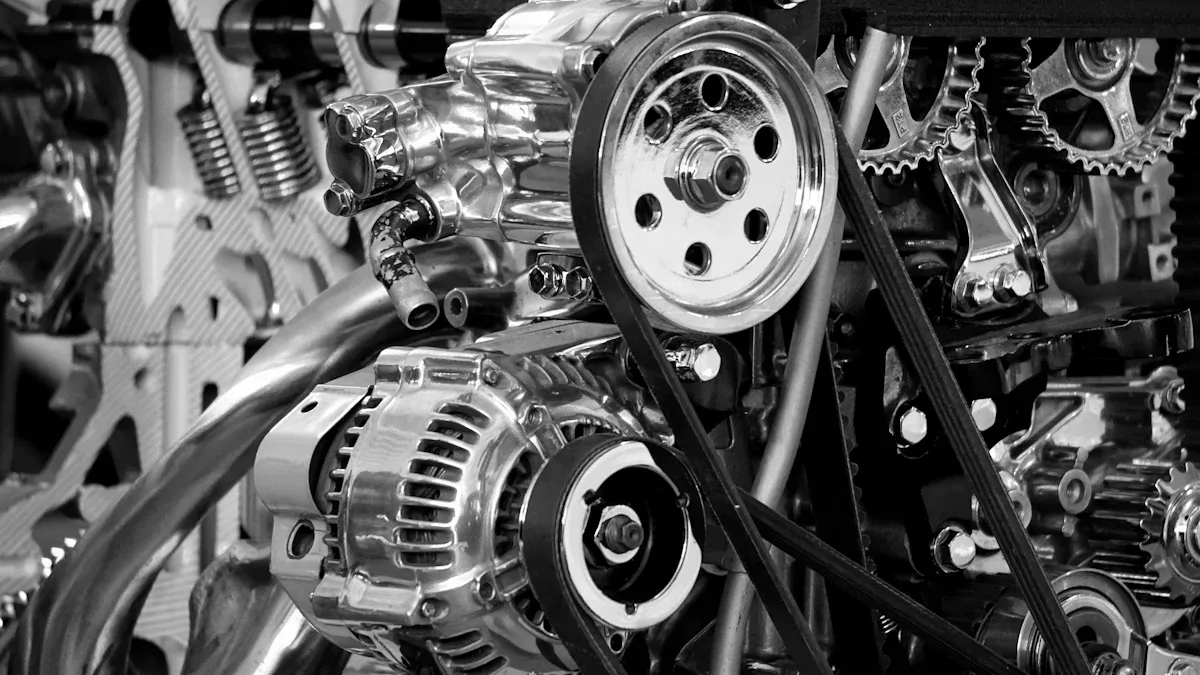
Universal motors are a popular choice for beverage equipment. They have special features that make them useful. They can work with both AC and DC power. This makes them flexible for different uses. Here’s a closer look at their main features:
Characteristic/Principle | Description |
|---|---|
Works with both DC and single-phase AC power. | |
Construction | Built like a DC machine, with special paths to reduce energy loss. |
Starting Torque | Gives high starting torque because of its design. |
Speed Characteristics | Can go over 3500 RPM; slower on AC than on DC due to voltage drop. |
Types | Two main types: Compensated Type and Uncompensated Type. |
Torque Direction | Creates torque in one direction, no matter the power type. |
Speed/Load Characteristics | Speed is low when fully loaded and very high when not loaded; gears help adjust speed. |
アプリケーション | Often found in appliances like vacuum cleaners, mixers, and coffee machines. |
Advantages and Disadvantages of Universal Motors
Advantages of Universal Motors | Disadvantages of Universal Motors |
|---|---|
High starting torque | Makes noise while working |
Good for portable devices | Shorter lifespan than other motors |
Can control speed | Less efficient at high speeds |
Lower production costs | Needs regular maintenance |
Universal motors are great for tasks needing high torque and speed. This makes them perfect for coffee machines. However, they can be noisy and need more maintenance in quiet places.
Induction Motors
Induction motors are also common in beverage equipment. They are known for being energy-efficient and reliable. Here are some important features:
Energy Efficiency: Induction motors use less energy, which is important for beverage equipment.
Precise Temperature Control: These motors help keep the right temperature during brewing.
Customizable Brewing Profiles: Induction motors let you set different brewing options for better flavor.
Variable Frequency Drives (VFDs): Used to control motor speed and power, saving energy based on needs.
Advanced Motor Designs: High-efficiency motors lower energy loss and improve performance.
Induction motors are quieter than universal motors. They provide stable operation, making them great for espresso machines where consistent performance matters.
BLDC Motors
Brushless DC (BLDC) motors are becoming popular in the coffee and beverage industry. Here’s what makes them special:
Silent Operation: Keeps coffee-making quiet.
Enhanced Durability: Less wear means they last longer.
Energy Efficiency: Turns more electrical energy into mechanical energy, saving money.
Precision in Grinding and Pumping: Gives fine control over RPM for the best coffee extraction.
アプリケーション:
Coffee Bean Grinders: Ensures even particle size.
Water Pumps: Provides steady water flow and pressure for espresso.
Milk Frothers: Creates smooth froth for creamy drinks.
Automatic Coffee Machine Systems: Supports smart brewing and self-cleaning.
BLDC motors are very efficient and quieter than universal motors. They are perfect for modern coffee machines that need precise control and energy savings.
Efficiency of Coffee Machine Motors
Energy Consumption
Choosing a motor for your coffee machine is important. Energy consumption matters a lot. Different motors use energy in different ways. This affects how much energy your coffee machine needs. Here’s a quick look at how each motor type does with energy efficiency:
Universal Motors: These motors start strong but are not very efficient at high speeds. This can make your energy bills higher over time.
Induction Motors: These motors are very energy-efficient. They use less power and still work well. This makes them great for espresso machines that need steady performance.
BLDC Motors: Brushless DC motors are some of the best for efficiency. They turn more electrical energy into mechanical energy. This helps you save money on energy while getting better performance.
Tip: Picking a motor that is more efficient can lower your energy bills and help the environment.
Performance Under Load
How well your coffee machine motor works under load is very important. It helps keep the drink quality consistent. Different motors handle loads in different ways. Here’s how they perform:
Motor Type | Performance Characteristics under Load | Key Advantages | Drawbacks |
|---|---|---|---|
Planetary Gear Motors | High torque output, stable transmission, good for low-speed grinding. | Compact size, works well for conical burrs needing high torque. | Does not improve motor shaft precision; depends on assembly tolerances for grinding precision. |
Direct Drive Systems | Direct torque transfer, fewer parts, great for busy environments. | Simple design, low cost, very efficient. | Depends on motor shaft precision; can cause vibrations that affect grind consistency. |
Motor-to-Burr Coupling | Flexible connection that allows some misalignment without losing performance. | Reduces wear on parts, can last longer. | May cause slight inefficiencies in torque transfer. |
Belt Drive Systems | Allows flexible motor placement and can cut down on vibration. | Good for larger setups where motor placement matters. | More parts can mean more maintenance is needed. |
As you can see, each motor type has its pros and cons. For example, planetary gear motors give high torque, which is great for grinding coffee beans. But they might not improve precision as much as other systems. On the other hand, direct drive systems are simple and efficient, which is helpful in busy places.
Size and Weight Considerations
When you choose motors for your coffee and drink machines, size and weight are very important. The size of each motor type can change how your equipment is designed and how well it works.
Compactness of BLDC Motors
BLDC motors are small and have many benefits:
The small design of 24V BLDC gear motors gives high torque without making the motor bigger. This is important for coffee machines with limited space.
They are light, which helps make the overall design better and more efficient. This is key for modern coffee machines.
The built-in gearbox allows for high torque at low speeds, giving strong performance in a small design.
Here’s a quick look at the usual specs for BLDC motors:
Attribute | Specification |
|---|---|
Rated Speed | |
Watts | 50 |
Supply Voltage | 200V |
Torque (Nm) | 0.16 |
RPM | 3000 |
Inertia Ratio | 0.12 (x 10^-4 kg * m²) |
Motor Frame Size | 80 |
Portability of Universal Motors
Universal motors are also made to be portable. Their light and small design makes them great for many kitchen tools. Here are some important points about their portability:
Universal motors fit easily into different appliances, making them useful for many uses.
Their design allows for fast operation, which is good for machines that need to work quickly.
The small size helps lower the total weight of the equipment, making it easier to move and carry.
The usual specs for universal motors include:
Attribute | Specification |
|---|---|
Rated Power | 370W |
Rated Voltage | 208V~230V/460V |
Number of Poles | 2P |
Phase | 3 phase |
Rated Speed | 2950 r/min |
Weight | 21 kg |
Speed and Torque in Beverage Equipment
Torque Output of Induction Motors
Induction motors are very important in beverage machines. They are used in coffee grinders and blenders. High torque is needed to process tough ingredients well. Here are some benefits of using induction motors:
High torque keeps the machine running smoothly under load. This stops stalling or overheating.
These motors work well in appliances like blenders and coffee machines.
They help your equipment do many tasks without losing quality.
The torque output affects how well your beverage equipment works. With induction motors, you can expect reliable results. This is important for making high-quality drinks.
Speed Control with BLDC Motors
BLDC motors provide precise speed control. This is important for making beverages. Here’s why this feature is useful:
Precise speed control leads to consistent movement. This improves accuracy in making drinks.
It ensures the right speeds for the best performance, especially in espresso machines.
The electronic commutation system in BLDC motors allows for very accurate speed control. This is crucial for tasks needing specific speeds.
The effects of speed and torque are important for drink quality and consistency. Here are some benefits:
Benefit | Description |
|---|---|
Increased Production Speed | Accurate speed control makes beverage production faster. |
Improved Mixing Accuracy | Good torque control ensures ingredients mix well, leading to better quality. |
Reduced Waste | Efficient control cuts down on extra materials, helping save money and be more sustainable. |
By picking the right motor for your beverage equipment, you can make better drinks and improve how efficiently you work.
Applications in Coffee and Beverage Equipment
Coffee Machines
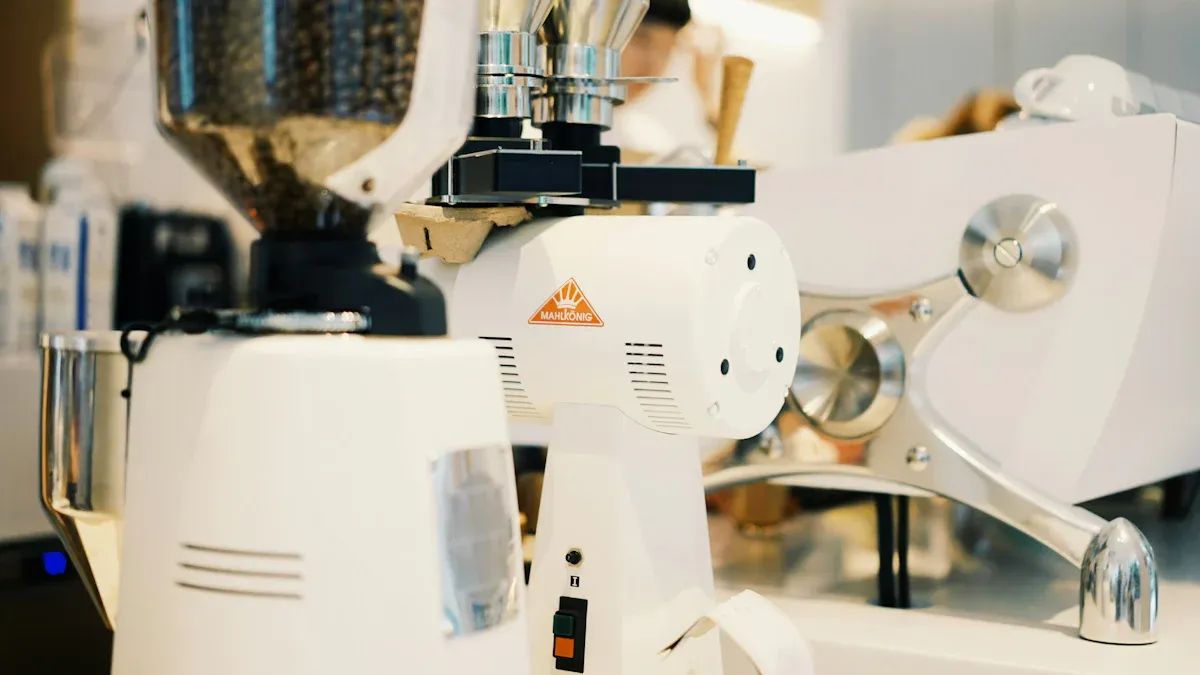
The motor you choose for coffee machines is very important. Universal motors are often used in espresso machines. They are fast and flexible. They can work with both AC and DC power, which makes them great for many coffee uses. They grind espresso beans quickly to the right size. This is key for making good coffee. It helps you enjoy the rich taste and smell that espresso fans love.
Tip: When picking an espresso machine, choose models with universal motors for the best grinding.
Blenders and Mixers
Blenders and mixers need special motor setups to work well. Here are some important needs for blender motors:
Blenders usually need 120V AC power at 50/60 Hz. Some can also use 220V/240V.
Motor setups can be one-speed, two-speed, or variable-speed.
Motor power can range from ½ to 4.2 horsepower.
High-quality beverage blenders are made for heavy use and often have motors with 2 HP or more.
These details make sure your blender can do many jobs, like making smoothies or crushing ice. The right motor not only boosts performance but also helps the appliance last longer.
Note: Buying a good blender motor can really enhance your drink-making experience.
Choosing the right motor for your coffee and drink machines is very important. Here are some key points to think about:
Pick a motor that fits your coffee machine type and how you use it, whether at home or in a café.
Make sure the motor has enough power and torque for good grinding and keeping coffee quality.
Choose brushless or DC motors for quieter operation, steady performance, and longer life.
Look for motors that have certifications and strong construction to handle regular use and ensure safety.
Take care of your motor by cleaning it often, descaling it, and letting it rest for the best machine performance.
As technology improves, expect more energy-saving and smart features in your coffee machines. This will make your brewing experience better while helping the environment.
FAQ
What types of motors are best for coffee machines?
You should think about universal motors because they have high torque and speed. Induction motors are good for saving energy and being reliable. BLDC motors are quiet and last a long time. Each motor type has special benefits for different coffee-making needs.
How do I maintain my coffee machine motor?
Clean the motor regularly and check for dust. Make sure to lubricate it if needed. Follow the manufacturer’s instructions for maintenance. This helps your motor last longer and keeps your coffee machine working well.
Can I replace my coffee machine motor with a different type?
Yes, you can change your coffee machine motor to a different type. But make sure it fits your machine’s design and power needs. Ask a professional if you are unsure about how to replace it.
What is the average lifespan of a coffee machine motor?
The average lifespan of a coffee machine motor depends on the type. Universal motors usually last 1-3 years, while induction and BLDC motors can last 5-10 years if taken care of. Regular maintenance can help them last longer.
How does motor efficiency affect coffee quality?
Motor efficiency affects coffee quality directly. An efficient motor keeps grinding and brewing temperatures steady. This helps get better flavor from the coffee. Choosing the right motor can improve your coffee experience.